_edited.png)


Biomimicry & Energy
Transforming the energy sector to reflect nature: efficiency and sustainability.

Breaking free from dependence on fossil fuels
The energy sector is at a crucial turning point. With global energy demand potentially doubling by 2050, according to the World Energy Outlook 2024 report, driven by rapid urbanization and population growth, the transition to renewable or low-carbon energy sources appears as a strategic necessity to reduce environmental impact and ensure energy security.
However, over 80% of the world's energy consumption still comes from fossil fuels (oil, gas, coal), exacerbating environmental pressures and making economies vulnerable to fluctuations in international markets. Fossil fuel industry players must also play a key role in this transition by exploring solutions such as carbon capture and storage (CCS) or by diversifying their investments into emerging technologies like green hydrogen or advanced biofuels.
The energy transition relies on a mix of solutions. Nuclear power, with its capacity to provide a continuous supply of carbon-free energy, remains a key pillar in many countries. Renewable energies such as hydropower, solar photovoltaic, and wind power are seeing their share grow rapidly, supported by technological innovations and decreasing production costs. Heat pumps, meanwhile, are emerging as an effective solution for heating and cooling, reducing the energy consumption of buildings.
While this transformation is essential, it comes with considerable technical challenges. Managing the intermittency of renewable energies, developing advanced storage technologies, and adapting infrastructure are major priorities. These projects require massive investments, estimated at several trillion dollars, to meet ever-increasing energy demand while ensuring a smooth and sustainable transition.
Biomimicry presents a major technological opportunity for the energy sector:
Nature, with its 3.8 billion years of evolution, represents the greatest laboratory for innovation. By drawing inspiration from the proven mechanisms of living organisms, biomimicry opens up unprecedented perspectives for meeting the technological challenges related to energy, whether in production, storage, or consumption.
The eyes of moths, equipped with unique nanostructures, effectively reduce reflections while maximizing light capture. Applied to solar panels, these natural adaptations allow for the design of anti-reflective coatings that increase their energy efficiency while eliminating bothersome glare. These innovations prove particularly useful in sensitive environments such as airport perimeters or in regions where optimizing energy performance is essential.

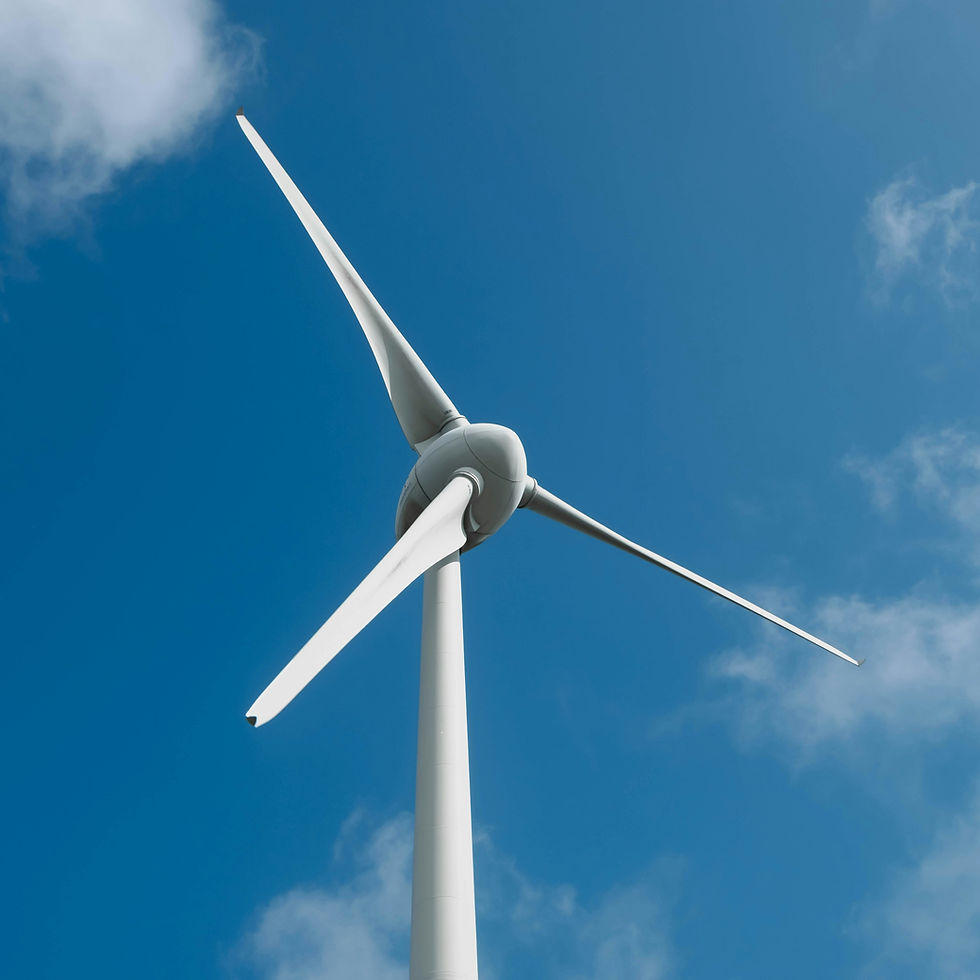
Humpback whale flippers , meanwhile, are inspiring a new generation of wind turbine blades. Their characteristic tubercles improve aerodynamics by reducing turbulence, thereby increasing energy production while decreasing noise pollution. This bio-inspired technology meets performance requirements and facilitates the integration of wind turbines in inhabited areas.
Finally, nature offers remarkable solutions for energy storage. The porous structures of bones and natural shells, which combine lightness and robustness, inspire lithium-ion batteries that are both more efficient and longer-lasting. These innovations increase energy density and improve safety, thus addressing the growing challenges of energy storage .
At Bionnov, we harness the richness and sophistication of natural solutions to transform your technologies in the fields of energy production, storage and management.


